About RSV Related Respiratory Disease
Respiratory Syncytial Virus (RSV) can cause significant lower respiratory tract disease (LRTD) in older patients, especially those with comorbidities identified by the CDC as heightened risk factors- asthma, diabetes, COPD, CHF, or advanced liver or kidney disease. Each year, an estimated 110,000–180,000 adults ages 50 and older in the United States are hospitalized due to RSV.
When an adult gets RSV, they typically have mild cold-like symptoms, but some may develop pneumonia (an infection in the lungs). Adults who get very sick from RSV may require hospitalization, and severe disease can be fatal for at-risk adults.
RSV can also lead to worsening chronic conditions such as:
- Asthma
- Chronic obstructive pulmonary disease (COPD)
- Heart failure or CHF
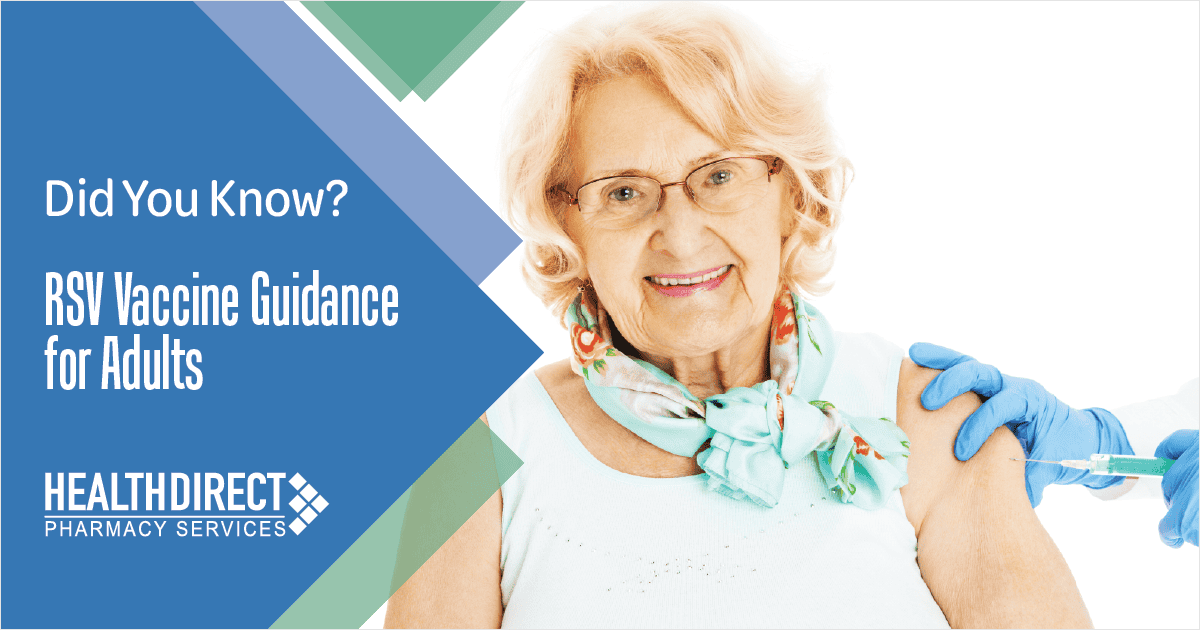
RSV Vaccine Guidance Update for Adults (June 25, 2025)
To protect against RSV, ACIP & CDC have updated recommendations to provide a single dose of RSV vaccine to all adult patients who are aged 75 years or older, as well as those who are aged 50 – 74 years that have an increased risk of severe RSV disease due to comorbidities or community care setting, including nursing home residents.
| Previously, the recommendation to vaccinate adults with heightened risk factors for severe RSV disease was limited to adults 60 years and older. |
Important Notes:
- Three FDA-licensed RSV vaccines are available: GSK’s Arexvy, Moderna’s mResvia, and Pfizer’s Abrysvo. The CDC does not recommend one vaccine over another; eligible adults should receive any available and licensed vaccine for their age group.
- Eligible adults can get an RSV vaccine at any time, but the best time to vaccinate patients is in late summer and early fall before RSV usually starts to spread in the community.
- The RSV vaccine is not currently an annual vaccine. People who have already received one dose have completed their vaccination and should not receive another dose at this time.
Risk Factors for Developing Severe RSV Disease
The following risk factors and medical conditions for developing severe RSV disease have been identified by the CDC, individuals 50 years and older with any of these pre-existing conditions are now eligible and should receive an RSV vaccine.
- Lung disease (such as chronic obstructive pulmonary disease [COPD] and asthma)
- Chronic cardiovascular diseases (such as congestive heart failure and coronary artery disease)
- Diabetes mellitus
- Neurologic or neuromuscular conditions
- Kidney disorders and ESRD
- Chronic liver disease (e.g. cirrhosis)
- Hematologic disorders
- Immune compromise (moderate or severe)
- Severe obesity (body mass index ≥40 kg/m2)
Additional underlying factors that the provider determines might increase the risk of severe RSV-associated respiratory illness may include the following:
- Frailty
- Advanced age (all adults 75+)
- Residence in a nursing home or other long-term care facility
- Other underlying factors that a health care provider determines might increase the risk for severe respiratory disease
Administering an RSV Vaccine
Available FDA Approved RSV Vaccines for Adults
| Vaccine Name | Manufacturer | Dose/Administration |
|---|---|---|
| Arexvy | GSK | 0.5 mL, intramuscular injection |
| Abrysvo | Pfizer | 0.5 mL, intramuscular injection |
| mResvia (PFS) | Moderna | 0.5 mL, intramuscular injection |
*PFS (pre-filled syringe) does not require reconstitution prior to injection.
Precautions and Contraindications
As with all vaccines, RSV vaccination should be delayed for persons experiencing moderate or severe acute illness with or without fever.
RSV vaccines are contraindicated for and should not be administered to persons with a history of severe allergic reaction, such as anaphylaxis, to any component of the vaccine.
Coadministration with Other Vaccines
RSV vaccines can be coadministered with other adult vaccines during the same visit.
When administering more than one vaccine at the same clinical visit, providers should separate injection sites by at least 1 inch if possible and consider administering vaccines that are associated with an enhanced local reaction in separate limbs.
Administering RSV vaccine with one or more other vaccines at the same visit might increase local or systemic reactogenicity and common side effects (e.g., pain at the injection site, fever, headache, myalgia).
Safety and Monitoring for RSV Vaccines
Local and systemic reactogenicity events (related to immune response) reported following RSV vaccine include local injection site pain, redness or swelling and systemic reactions such as fever, fatigue, headache, nausea, muscle pain, joint pain as well as GI symptoms like nausea, vomiting, diarrhea or abdominal pain. If clinical trials, these adverse effects had a median reported duration of 1-2 days.
The potential link between RSV vaccine(s) and Guillain-Barré Syndrome (GBS)
GBS is a rare disorder in which the body’s immune system damages nerve cells, causing muscle weakness and sometimes paralysis.
A post-marketing study by the FDA using Medicare claims data suggested an increased risk of GBS within 42 days following vaccination with both Abrysvo and Arexvy in individuals aged 65 and older. This study estimated about 9 excess GBS cases per million doses of Abrysvo and 7 excess cases per million doses of Arexvy in this age group.
Based on this data, the FDA required safety labeling changes for Abrysvo and Arexvy to include a warning about the potential risk of GBS within 42 days after vaccination (January 2025). The FDA states that while the evidence isn’t enough to definitively prove a causal link, the data suggests an increased risk.
Despite the potential risk of GBS, the FDA & CDC emphasize that the benefits of RSV vaccination in preventing severe RSV-related illness, especially in older adults, outweigh the potential risks.
For mRESVIA, FDA acknowledges that existing clinical trial and post-marketing surveillance data did not warrant the inclusion of a specific GBS warning on its label.
Reporting Adverse Events
Adverse events after RSV vaccination should be reported to the Vaccine Adverse Event Reporting System (VAERS), even if it is not clear that the vaccine caused the adverse event.
Information on how to submit a report to VAERS is available at https://vaers.hhs.gov/index.html or by telephone at 1-800-822-7967.
V-Safe
Encourage patients to sign-up for V-Safe, where they can share with the CDC how they feel after getting an RSV or COVID-19 vaccine up to 42 days following vaccination.
Individuals can sign up for V-safe with their smartphone, tablet, or computer at vsafe.cdc.gov.
Adults Younger than 50 Years
FDA has approved use of two RSV vaccines — Pfizer’s Abrysvo and Moderna’s mResvia — in adults ages 18-49 years who are at increased risk for RSV-Lower Respiratory Tract Disease (LRTD). As of February 2025, ACIP judged that insufficient evidence was available to inform an RSV vaccine recommendation in adults aged 18-49 years who are at increased risk for RSV disease. ACIP will continue to review evidence and provide recommendations to CDC on RSV vaccination policy in this age group when additional data are available.
References:
- CDC. RSV Vaccine Guidance for Adults. July 8, 2025. Available from: https://www.cdc.gov/rsv/hcp/vaccine-clinical-guidance/adults.html
- CDC. RSV In Adults. July 8, 2025. Available from: https://www.cdc.gov/rsv/adults/index.html
- CDC. ACIP Recommendations. July 28,2025. Available from: https://www.cdc.gov/acip/vaccine-recommendations/
- FDA Safety Communication. FDA Requires Guillain-Barré Syndrome (GBS) Warning in the Prescribing Information for RSV Vaccines Abrysvo and Arexvy. January 7, 2025. Available from: https://www.fda.gov/vaccines-blood-biologics/safety-availability-biologics/2025-safety-and-availability-communications